Chronic Kidney Disease, Molecular Insight and Its Herbal Modulation
Article Sidebar
Main Article Content
Abstract
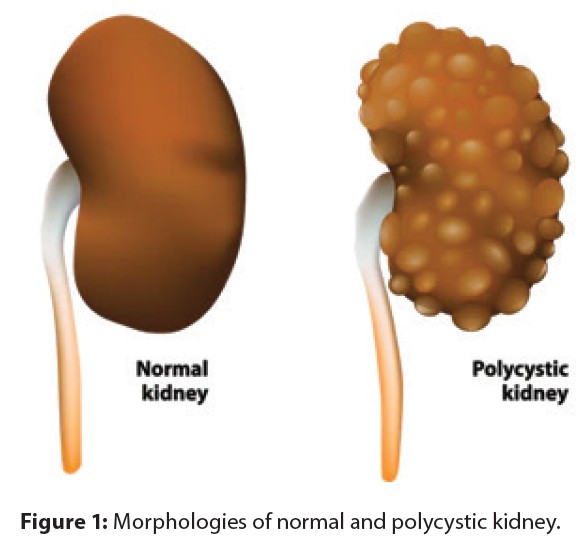
The human body is equipped with a natural system for internal cleansing and maintenance, with the kidneys serving as the primary organs responsible for filtering waste and maintaining fluid balance. However, modern lifestyle choices including poor diet, excessive intake of harmful beverages, and substance abuse can compromise kidney function. Two major types of kidney diseases are recognized: acute kidney injury (AKI) and chronic kidney disease (CKD). AKI, or acute renal failure, involves a sudden decline in kidney function and is often reversible. In contrast, CKD, also known as chronic renal failure, progresses slowly over at least three months and may lead to irreversible damage if remains untreated. Additional renal conditions include Glomerulonephritis, Polycystic Kidney Disease, Kidney Stones, UTIs, Lupus Nephritis, and nephropathies linked to diabetes and hypertension. While allopathic medications are widely prescribed, their side effects often limit long-term use, especially in elderly or immunocompromised individuals. Herbal formulations are gaining attention as supportive therapies due to their multi-targeted action and lower toxicity. This study considers multiple risk factors diet, lifestyle, alcohol and tobacco use, age, gender, ethnicity, and comorbidities when evaluating herbal interventions. Different kidney disorders may require tailored herbal combinations, warranting systematic research to validate efficacy and safety.
Identifying and characterizing bioactive compounds through modern pharmacological techniques can strengthen the clinical credibility of these formulations. This paper aims to present a conceptual framework that bridges traditional herbal medicine with scientific validation, encouraging further exploration of plant-based therapies as complementary, or alternative approaches in kidney disease management.
Article Details

This work is licensed under a Creative Commons Attribution-NonCommercial-ShareAlike 4.0 International License.
The Journals licensing terms of CC-BY-NC-SA 4.0 speaks that you are free to Share (copy and redistribute the material in any medium or format), Adapt (remix, transform, and build upon the material) under proper terms of Attribution (You must give appropriate credit, provide a link to the license, and indicate if changes were made. You may do so in any reasonable manner, but not in any way that suggests the licensor endorses you or your use.), NonCommercial (You may not use the material for commercial purposes.), ShareAlike (If you remix, transform, or build upon the material, you must distribute your contributions under the same license as the original.) and No additional restrictions (You may not apply legal terms or technological measures that legally restrict others from doing anything the license permits.)
References
.